
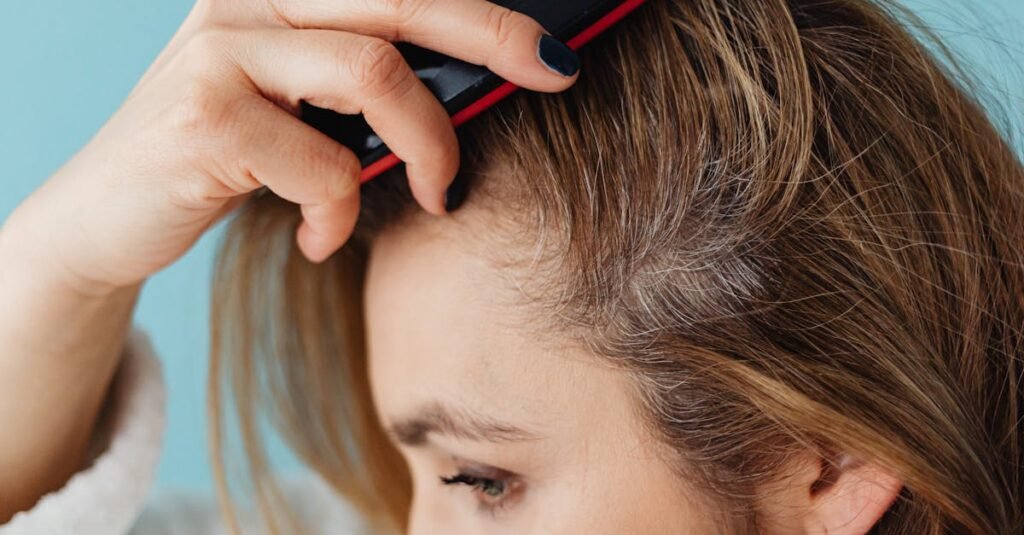
Hair fall is one of the most common concerns people search for natural solutions to, and shilajit for hair fall has become a popular topic in that search. Shilajit is a mineral-rich resin traditionally used in Ayurvedic medicine, and it’s often paired with other natural remedies to support healthier hair. Here’s what it actually offers, how to use it, and when it’s worth seeing a professional instead.

What Is Shilajit?
Shilajit is a sticky, tar-like resin that forms over centuries from the slow decomposition of plant matter, compressed in Himalayan rock layers. It contains fulvic acid, minerals like zinc, iron, and magnesium, and a range of other organic compounds. In Ayurvedic tradition, it’s been used for general vitality and wellness for hundreds of years.
Shilajit for Hair Fall: What It May Help With
Hair fall has many possible causes, from genetics and hormones to nutrient deficiencies and stress, so no single ingredient is a guaranteed fix. That said, several properties of shilajit are relevant to hair health:
- Mineral content: Shilajit naturally contains zinc, iron, and magnesium, minerals that play a role in hair follicle function and are worth having at adequate levels for healthy growth.
- Antioxidant activity: Fulvic acid and other compounds in shilajit have antioxidant properties, which may help reduce oxidative stress at the follicle level.
- Circulation support: Some users report improved scalp circulation with regular use, which can help hair follicles receive nutrients more effectively.
These are supportive properties rather than a cure for hair loss, and results vary from person to person.
How to Use Shilajit for Hair Fall
Shilajit resin is most commonly taken orally, dissolved in warm water or milk, following the dosage on the product label. Look for a lab-tested, purified resin rather than raw or unrefined shilajit, since raw shilajit can contain heavy metals and other contaminants if it hasn’t been properly processed. We’ve written a full guide on how to test shilajit for purity if you want to check what you’re using.
Other Natural Remedies Worth Combining With Shilajit
- Scalp massage: A few minutes of daily scalp massage can improve circulation to hair follicles.
- Hibiscus: Rich in vitamins and antioxidants, hibiscus oil or hair masks are a traditional remedy for nourishing the scalp.
- Curry leaves: Often used in Ayurvedic hair care, curry leaves are added to diets or infused into oils to support hair strength.
- Diet and sleep: Iron, protein, and B-vitamin intake, along with adequate sleep and stress management, all directly affect hair growth cycles.
When to See a Professional
If hair fall is sudden, patchy, or accompanied by other symptoms like fatigue or scalp irritation, it’s worth seeing a doctor rather than relying on natural remedies alone. Conditions like thyroid imbalances, iron deficiency, and hormonal changes are common underlying causes that need proper diagnosis. Shilajit and other natural remedies are best used to support general hair health, not to replace medical advice.
Hair fall that runs in the family is often hereditary, and shilajit for hair fall works best as one part of a wider routine rather than a cure. Think of shilajit for hair fall as a supporting habit alongside good sleep, diet and gentle hair care. Healthdirect’s guide to male pattern baldness explains the causes and treatment options. You can also read my own daily routine for hereditary hair loss and our guide to shilajit for skin and hair.
Choosing a Quality Shilajit
Since shilajit is unregulated in many markets, product quality varies widely. We supply lab-tested Upakarma Ayurveda Shilajit Resin, purified and tested for heavy metals and authenticity, so you know what you’re putting in your body.
Natural remedies take time and consistency. Combine a quality shilajit with the other habits above, and be patient — most people trying shilajit for hair fall give it at least 8 to 12 weeks before assessing results.

